
Step Outside to Step Up: The Benefits of Outdoor Learning for Adults
Outdoor learning is more than a training trend—it’s a paradigm shift in how adults learn and grow. For corporate teams, it builds alignment and resilience; for NGOs, it strengthens community-oriented problem-solving and leadership. Most importantly, it reminds professionals that real growth often happens outside the comfort zone.
With experienced partners like Anubhuti365days, organisations can go beyond traditional training models to craft experiences that energize, empower, and inspire. After all, when you step outside, you don’t just explore nature—you rediscover your own potential.
In today’s fast-paced professional world, corporate employees and NGO teams are constantly under pressure to perform, adapt, and innovate. Training programs often focus on classroom sessions, PowerPoints, and discussions within four walls. While these have their place, the real breakthroughs often come when participants step outside their comfort zones and into nature. Outdoor learning for adults is not just a refreshing change—it’s a powerful tool for building resilience, enhancing teamwork, and deepening self-awareness.
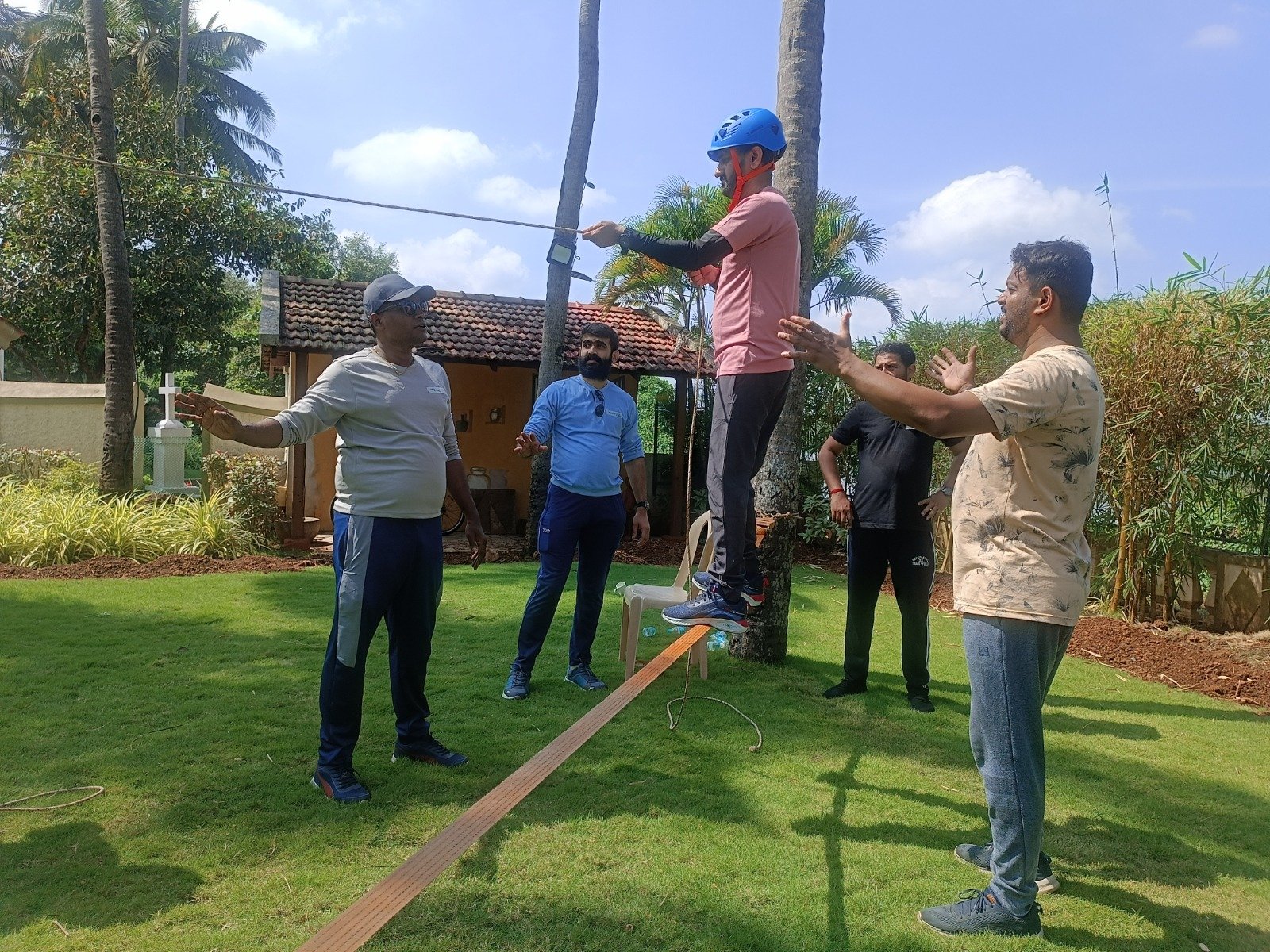
Whether it’s a manager navigating a high ropes course, a team solving challenges on a rugged trail, or an NGO group engaging in reflective discussions under the open sky, outdoor learning transforms abstract concepts into lived experiences. By merging learning with adventure, it creates lasting impact that no lecture can replicate.
1. Building Stronger Teams through Shared Experiences
One of the strongest benefits of outdoor learning is the opportunity to foster team cohesion. Corporate teams often work together daily but rarely share experiences beyond the office. Outdoor challenges—whether trekking, obstacle-based activities, or problem-solving games—demand collaboration, trust, and open communication.
For NGO staff, who often operate under resource constraints and high emotional demands, outdoor learning offers a safe yet challenging environment to practice cooperation and collective problem-solving. These shared moments strengthen relationships and create memories that extend well into professional settings.
2. Enhancing Leadership and Decision-Making Skills
When leaders step outdoors, they are pushed to make quick decisions in unfamiliar environments. Be it charting a trekking path, allocating limited resources during a survival simulation, or guiding a team across a challenging rope course, outdoor tasks mirror real workplace dilemmas. The difference? Participants can reflect immediately on the impact of their leadership style.
For corporate executives and NGO managers alike, this hands-on experience sharpens decision-making, adaptability, and empathy—traits that are critical for sustainable leadership.
3. Developing Resilience and Stress Management
Stress is a universal challenge for working professionals. Outdoor learning helps participants reconnect with themselves and nature. Studies show that time outdoors lowers cortisol (the stress hormone) and enhances emotional well-being. More importantly, the uncertainty and unpredictability of outdoor activities—like changing weather or unfamiliar terrain—push individuals to remain calm, flexible, and resourceful.
For corporate employees juggling deadlines or NGO workers tackling on-the-ground challenges, these lessons in resilience translate directly into workplace effectiveness.
4. Encouraging Creativity and Innovation
Stepping outside a formal boardroom into an open environment sparks fresh perspectives. The natural world stimulates curiosity and inspires creativity. Many breakthrough ideas come not from structured brainstorming but from casual conversations during a trail walk or moments of reflection by a riverside.
Outdoor learning encourages professionals to think beyond standard approaches, helping NGOs design innovative community solutions and corporates develop cutting-edge strategies.
5. Deepening Self-Awareness and Emotional Intelligence
Perhaps the most transformative aspect of outdoor learning is the mirror it holds up to the self. Activities that involve trust, endurance, or problem-solving allow participants to observe their default reactions. Do they lead or follow? Do they panic or stay calm? Do they listen actively or rush ahead?
Through structured debriefs and guided reflection, outdoor programs nurture emotional intelligence—a skill increasingly valued in leadership roles across both corporate and development sectors.
6. Why Organisations Choose Anubhuti365days
While many training providers offer “team outings,” few integrate outdoor experiences with structured learning outcomes. This is where Anubhuti365days makes a difference.
- Tailored Programs: Designed specifically for corporate employees, NGO staff, and mixed teams, ensuring relevance and depth.
- Experiential Focus: Activities are not just for fun—they are tied to leadership, communication, and problem-solving competencies.
- Offbeat Venues: Unlike conventional training spaces, Anubhuti365days curates programs in natural, inspiring environments away from routine distractions.
- Trusted Expertise: With years of experience, they are among the most preferred organisations for outdoor learning and adventure-based capacity building in India.
Whether it’s a two-day leadership camp, a stress-busting retreat, or a focused NGO capacity-building workshop, Anubhuti365days blends adventure with reflection to create truly transformative learning journeys.